relevant project experience
Future Submarine Infrastructure
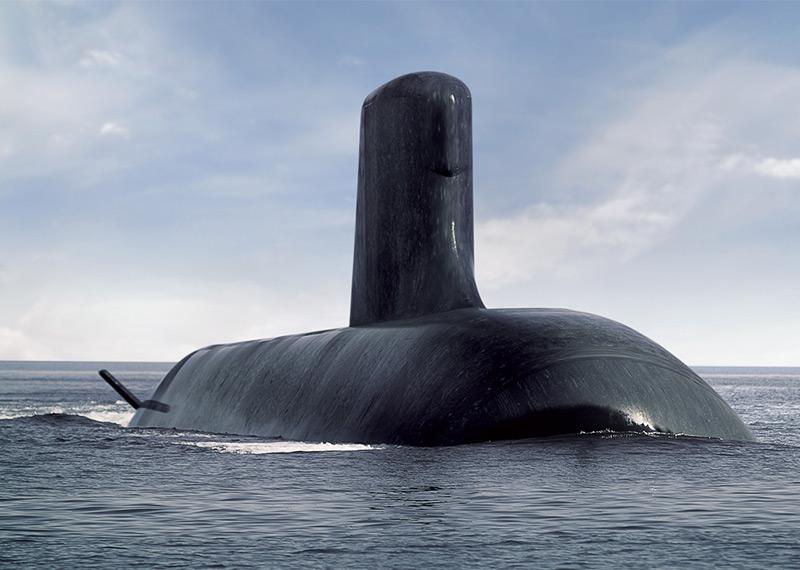
A $2 billion sovereign defence infrastructure programme at the Osborne Naval Shipbuilding Precinct — the most significant naval construction programme in Australia at the time. Engaged as Contractor's Representative for the Managing Contractor, the role spanned contract award, design, approvals, procurement, and construction, serving as the primary point of contact for Australian Naval Infrastructure and key Commonwealth stakeholders. The programme presented significant complexity — with infrastructure design running in parallel with an undefined submarine design, manufacturing process, and testing regime — requiring a highly adaptive approach to programme management and stakeholder engagement. Terminated following Australia's decision to enter the AUKUS partnership.
relevant project experience
Future Submarine Infrastructure
A $2 billion sovereign defence infrastructure programme at the Osborne Naval Shipbuilding Precinct — the most significant naval construction programme in Australia at the time. Engaged as Contractor's Representative for the Managing Contractor, the role spanned contract award, design, approvals, procurement, and construction, serving as the primary point of contact for Australian Naval Infrastructure and key Commonwealth stakeholders. The programme presented significant complexity — with infrastructure design running in parallel with an undefined submarine design, manufacturing process, and testing regime — requiring a highly adaptive approach to programme management and stakeholder engagement. Terminated following Australia's decision to enter the AUKUS partnership.
relevant project experience
Future Submarine Infrastructure
A $2 billion sovereign defence infrastructure programme at the Osborne Naval Shipbuilding Precinct — the most significant naval construction programme in Australia at the time. Engaged as Contractor's Representative for the Managing Contractor, the role spanned contract award, design, approvals, procurement, and construction, serving as the primary point of contact for Australian Naval Infrastructure and key Commonwealth stakeholders. The programme presented significant complexity — with infrastructure design running in parallel with an undefined submarine design, manufacturing process, and testing regime — requiring a highly adaptive approach to programme management and stakeholder engagement. Terminated following Australia's decision to enter the AUKUS partnership.
relevant project experience
Future Submarine Infrastructure
A $2 billion sovereign defence infrastructure programme at the Osborne Naval Shipbuilding Precinct — the most significant naval construction programme in Australia at the time. Engaged as Contractor's Representative for the Managing Contractor, the role spanned contract award, design, approvals, procurement, and construction, serving as the primary point of contact for Australian Naval Infrastructure and key Commonwealth stakeholders. The programme presented significant complexity — with infrastructure design running in parallel with an undefined submarine design, manufacturing process, and testing regime — requiring a highly adaptive approach to programme management and stakeholder engagement. Terminated following Australia's decision to enter the AUKUS partnership.

client
Australian Naval Infrastructure

service
Managing Contractor

location
Osborne, SA

category
Defence Industry

completed
2019
Project Overview
The Project
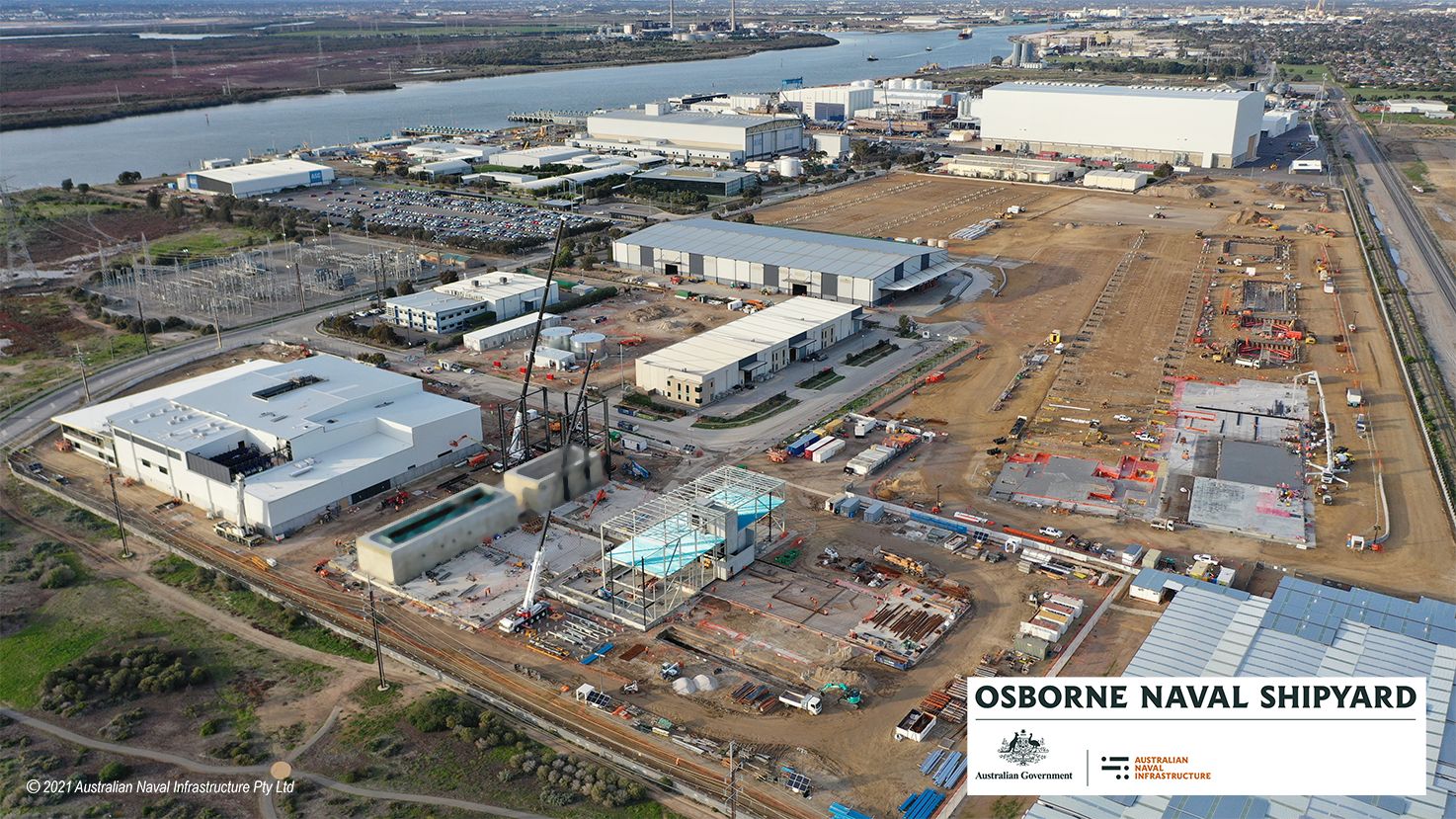
The Osborne North Development was one of the most significant and complex sovereign defence infrastructure programmes ever undertaken in Australia — the construction of a purpose-built submarine manufacturing yard at the Osborne Naval Shipbuilding Precinct in South Australia, where Australia's fleet of 12 future submarines was to be built.
Australian Naval Infrastructure (ANI), established by the Commonwealth to own and manage the naval shipbuilding infrastructure, appointed the Managing Contractor following a competitive tender in November 2018. The programme sat at the centre of Australia's $90 billion commitment to naval capability — part of a broader national shipbuilding enterprise that included the concurrent redevelopment of the Osborne South yard for the Future Frigates programme.
The stakes were significant. This was not simply a construction project. It was the foundation of Australia's sovereign submarine manufacturing capability.
What was delivered
The programme spanned contract award, design development, approvals, procurement, and construction — progressing through site establishment, earthworks, and piling for the new facilities as the first phase of a staged development plan. The yard was designed to Naval Group's functional specifications, approved by Defence, with the Combat System Physical Integration Facility specified by Lockheed Martin Australia.
The complexity of the programme was substantial. Infrastructure design was running in parallel with an undefined submarine design, an evolving manufacturing process, and testing regimes that had not yet been finalised. Every decision made on the ground had to accommodate a future state that was still being determined — requiring a highly adaptive approach to programme management, design coordination, and Commonwealth stakeholder engagement.
The programme championed digital innovation, social procurement, and a one-team partnering culture across design consultants, trade contractors, and client representatives — establishing the collaborative framework needed to deliver a programme of this scale and sensitivity.
The outcome
The programme achieved all key milestones through the planning and early construction phases before being terminated following Australia's decision in 2021 to enter the AUKUS partnership and pursue nuclear-powered submarines — a sovereign policy decision that reflected the strategic significance of the work that had been undertaken and the capability platform that had been established.
Our role
Brad Eathorne served as Contractor's Representative for the Managing Contractor — the primary point of contact for Australian Naval Infrastructure and key Commonwealth stakeholders, with responsibility for programme leadership, design coordination, stakeholder management, and delivery across the full scope of the engagement.
The Project
The Osborne North Development was one of the most significant and complex sovereign defence infrastructure programmes ever undertaken in Australia — the construction of a purpose-built submarine manufacturing yard at the Osborne Naval Shipbuilding Precinct in South Australia, where Australia's fleet of 12 future submarines was to be built.
Australian Naval Infrastructure (ANI), established by the Commonwealth to own and manage the naval shipbuilding infrastructure, appointed the Managing Contractor following a competitive tender in November 2018. The programme sat at the centre of Australia's $90 billion commitment to naval capability — part of a broader national shipbuilding enterprise that included the concurrent redevelopment of the Osborne South yard for the Future Frigates programme.
The stakes were significant. This was not simply a construction project. It was the foundation of Australia's sovereign submarine manufacturing capability.
What was delivered
The programme spanned contract award, design development, approvals, procurement, and construction — progressing through site establishment, earthworks, and piling for the new facilities as the first phase of a staged development plan. The yard was designed to Naval Group's functional specifications, approved by Defence, with the Combat System Physical Integration Facility specified by Lockheed Martin Australia.
The complexity of the programme was substantial. Infrastructure design was running in parallel with an undefined submarine design, an evolving manufacturing process, and testing regimes that had not yet been finalised. Every decision made on the ground had to accommodate a future state that was still being determined — requiring a highly adaptive approach to programme management, design coordination, and Commonwealth stakeholder engagement.
The programme championed digital innovation, social procurement, and a one-team partnering culture across design consultants, trade contractors, and client representatives — establishing the collaborative framework needed to deliver a programme of this scale and sensitivity.
The outcome
The programme achieved all key milestones through the planning and early construction phases before being terminated following Australia's decision in 2021 to enter the AUKUS partnership and pursue nuclear-powered submarines — a sovereign policy decision that reflected the strategic significance of the work that had been undertaken and the capability platform that had been established.
Our role
Brad Eathorne served as Contractor's Representative for the Managing Contractor — the primary point of contact for Australian Naval Infrastructure and key Commonwealth stakeholders, with responsibility for programme leadership, design coordination, stakeholder management, and delivery across the full scope of the engagement.
gallery
Project Gallery
gallery
Project Gallery
explore
Explore More Projects
explore
Explore More Projects

We built bryr. for clients who know what good advice is actually worth.
We built bryr. for clients who know what good advice is actually worth.